
If you work in construction as a subcontractor, you've probably had tax taken off your wages before you even see the money. That's the Construction Industry Scheme (CIS) in action. But here's the thing: many construction workers are owed money back and don't even know it.
In this guide, we'll break down exactly how CIS works, why you might be due a refund, and how working with accountancy professionals like CIS Assist can put more money back in your pocket.
What Is CIS and Why Should You Care?
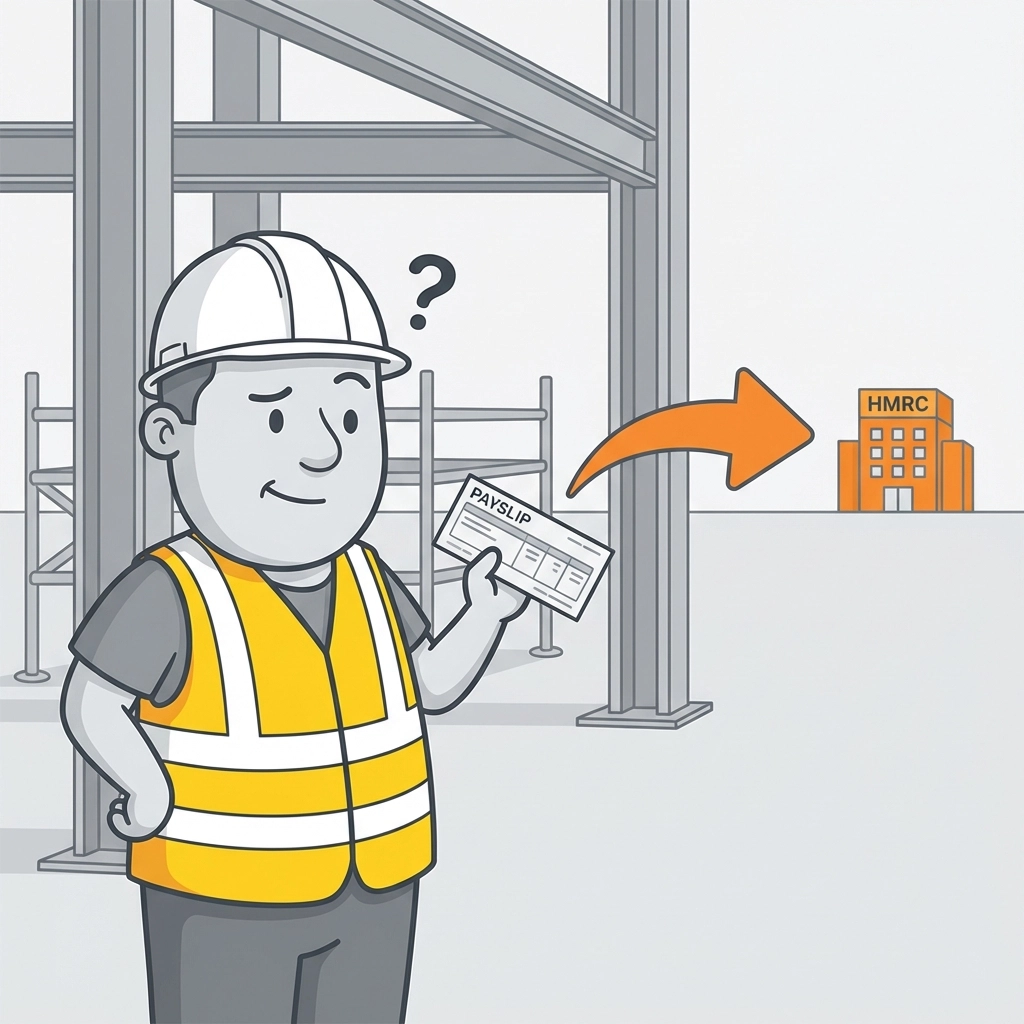
The Construction Industry Scheme is a tax system set up by HMRC specifically for the construction industry. If you're a subcontractor working for a contractor, they're required by law to take tax from your pay and send it straight to HMRC.
Think of it like this: the contractor acts as a middle man between you and the taxman. They hold back a chunk of your earnings and pass it on before you get paid.
Here's where it gets interesting: the amount taken isn't always what you actually owe. Sometimes it's more. And when that happens, you're entitled to claim it back.
How CIS Deductions Actually Work
Let's keep this simple. There are two main deduction rates under CIS:
1. 20% deduction – This applies if you're registered with HMRC as a CIS subcontractor. Most workers fall into this category.
2. 30% deduction – This higher rate kicks in if you're not registered. That's a big chunk of your pay disappearing before you see it.
"The difference between 20% and 30% might not sound like much, but over a year it can add up to thousands of pounds."
So if you're not registered yet, that's the first thing to sort out. It's free to register and it immediately reduces how much tax gets taken from your pay.
Why You Might Be Owed a Refund
Here's something a lot of construction workers don't realise: CIS deductions are advance payments towards your tax bill, not your final tax bill itself.
At the end of the tax year, HMRC looks at:
- How much you actually earned
- What expenses you can claim
- What tax you've already paid through CIS
If the CIS deductions add up to more than what you actually owe, you get the difference back as a tax refund.
Common reasons subcontractors overpay:
- You had work expenses that reduce your taxable income (tools, travel, work clothes, etc.)
- You didn't work the full year
- Your income varied throughout the year
- Materials costs were incorrectly included in your labour charges

5 Things That Affect Your CIS Refund Amount
1. Separating Materials From Labour
This is a big one. CIS tax should only be taken from the labour part of your invoice: not from materials you've supplied.
If your contractor is deducting 20% from the total invoice (including materials), you're being overtaxed. Keeping materials and labour separate on your invoices can make a real difference to your refund.
Tip: Always itemise your invoices clearly. List labour costs and material costs on separate lines.
2. Claiming All Your Allowable Expenses
As a self-employed subcontractor, you can claim expenses that are necessary for your work. These reduce your taxable income, which means you pay less tax overall.
Common expenses you can claim:
- Tools and equipment
- Work clothing and safety gear
- Travel to different sites
- Phone bills (work portion)
- Training courses related to your trade
- Accountancy fees
Tip: Keep receipts for everything. No receipt often means no claim.
3. Accurate Record Keeping
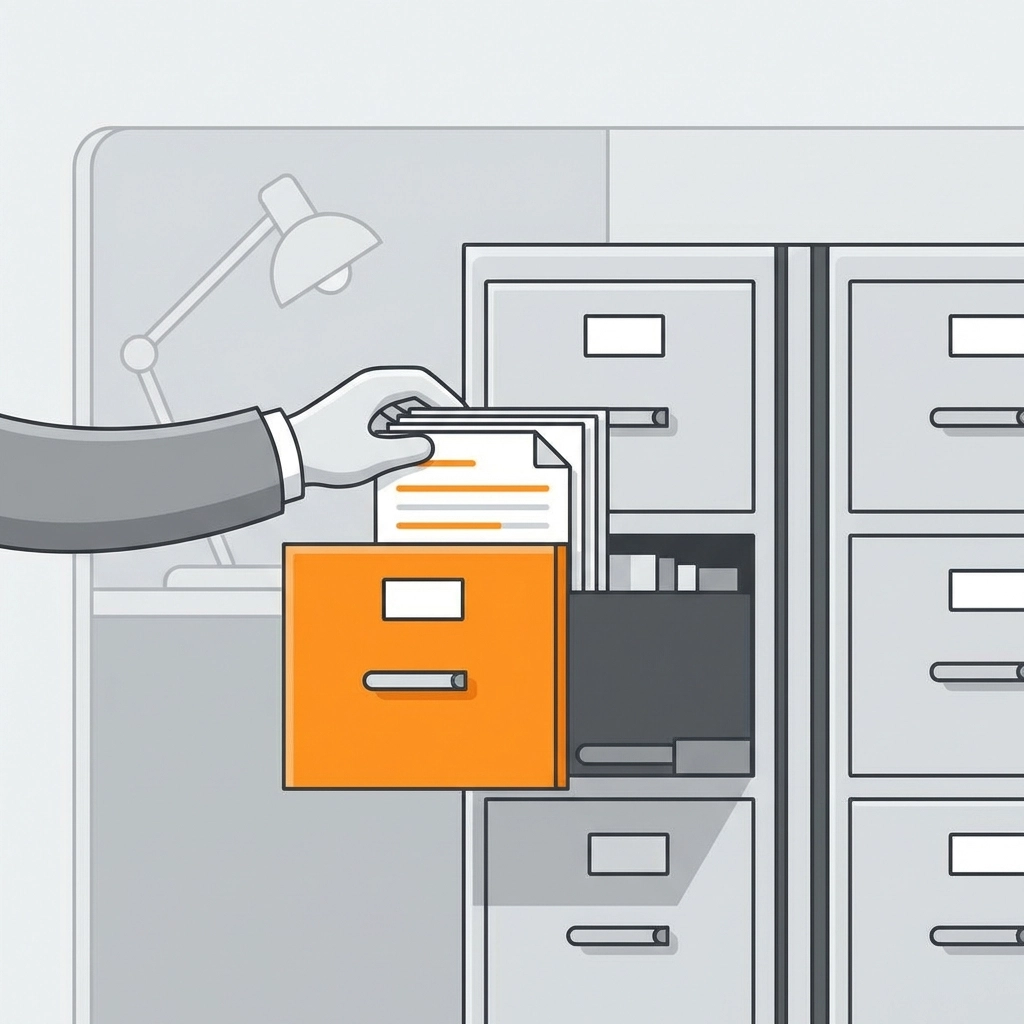
Contractors must give you a payment and deduction statement (PDS) within 14 days of each payment. These statements show how much was paid and how much tax was deducted.
Hold onto these. Your accountant needs them to check you've been taxed correctly and to file your Self-Assessment return.
Tip: Create a folder (physical or digital) and store every PDS you receive. It makes tax time so much easier.
4. Filing Your Self-Assessment on Time
To claim your CIS refund, you need to complete a Self-Assessment tax return. This is where all your income, expenses, and CIS deductions get reported to HMRC.
The deadline for online returns is 31st January after the tax year ends. Miss it, and you'll face fines: plus your refund gets delayed.
Tip: Don't leave it until January. The earlier you file, the quicker you get your money back.
5. Being Registered With HMRC
We mentioned this earlier, but it's worth repeating. If you're not registered for CIS, you're losing 30% of your pay to deductions instead of 20%.
That's an extra 10% coming out of every payment. Over a year of steady work, that could be thousands of pounds you'll need to claim back: assuming you file correctly.
Tip: Register for CIS as soon as you start subcontracting. It's straightforward and free.
Why Experience Matters When Claiming CIS Refunds
You could do all this yourself. File your own Self-Assessment, track your own deductions, work out your own expenses. But here's the reality: most people leave money on the table.
Why? Because:
- They don't know what expenses they can claim
- They make mistakes on their tax return
- They miss deductions or forget to include CIS statements
- They file late and face penalties
Professional accountants who specialise in CIS know exactly what to look for. They've seen hundreds of cases just like yours and know how to squeeze every penny out of your refund: legally and properly.
"A good CIS accountant doesn't just file your return. They actively look for ways to reduce your tax bill and increase your refund."

How CIS Assist Gets You a Higher Refund
At CIS Assist, we work exclusively with construction workers. CIS is what we do, day in, day out. That experience means we know the scheme inside out: and we know how to make it work in your favour.
Here's what sets us apart:
1. We Handle Everything
You don't need to understand tax law. Just send us your paperwork and we take care of the rest. No stress, no confusion.
2. We Maximise Your Claim
Our team checks every deduction, reviews every expense, and makes sure nothing gets missed. Our experience means we often find refunds that DIY filers would overlook.
3. We're Transparent
No hidden fees, no surprises. You'll know exactly what's happening with your claim every step of the way. Check out our packages to see how we work.
4. We're Fast
Because we specialise in CIS, we process claims quickly and efficiently. The sooner we file, the sooner HMRC sends your refund.
5. We're Here to Help
Got questions? We've got answers. Visit our FAQs page or get in touch directly. We're always happy to explain things in plain English.
Key Takeaways
Let's wrap this up with the important bits:
- CIS deductions are advance tax payments: you may be owed money back
- Register for CIS to reduce your deduction rate from 30% to 20%
- Separate materials from labour on your invoices
- Keep records of all payments, deductions, and expenses
- File your Self-Assessment on time to avoid penalties
- Use a specialist accountant to maximise your refund
The CIS system doesn't have to be complicated. And with the right help, it can actually work in your favour.
Ready to Claim Your Refund?
If you're a construction worker who's had CIS tax deducted, there's a good chance you're owed money back. Don't leave it sitting with HMRC.
Let CIS Assist do the hard work for you. Our team of experienced accountants will review your situation, handle your paperwork, and make sure you get every penny you're entitled to.
Get started today at CIS Assist and see how much you could be owed.